Peptide Capsules and Patches in South Africa: A Research Format Guide
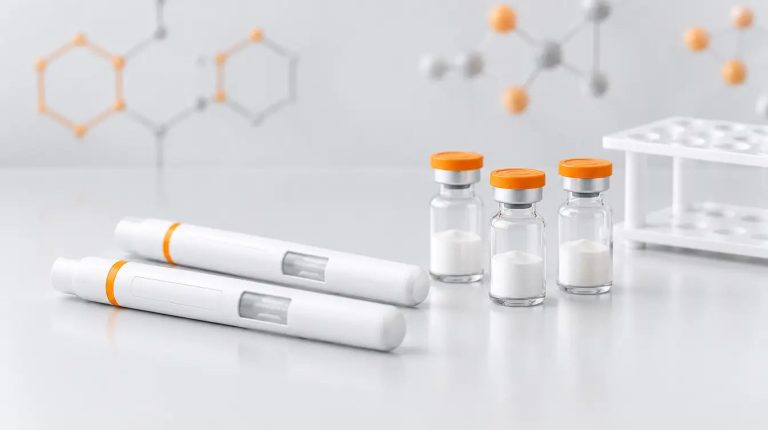
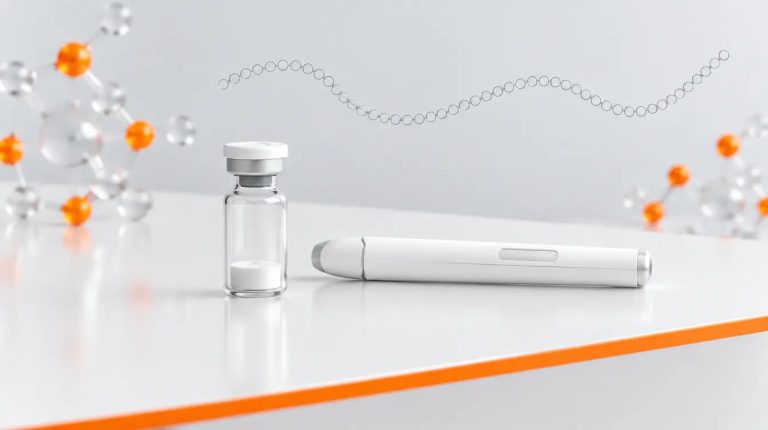
Most research peptides are supplied as lyophilised powder in a vial or as a ready-made solution in a pre-filled pen. A smaller part of the Biolabs range comes in two very different presentations: capsules and adhesive patches. If you have been searching for “peptide capsules South Africa”, this guide explains what these formats actually are, what is in the Biolabs Capsules and Patches collection, how they compare with vials, pens and nasal sprays, what the published science says about the challenges of non-injectable formats, and how to store and document them in the lab.
What are peptide capsules and patches?
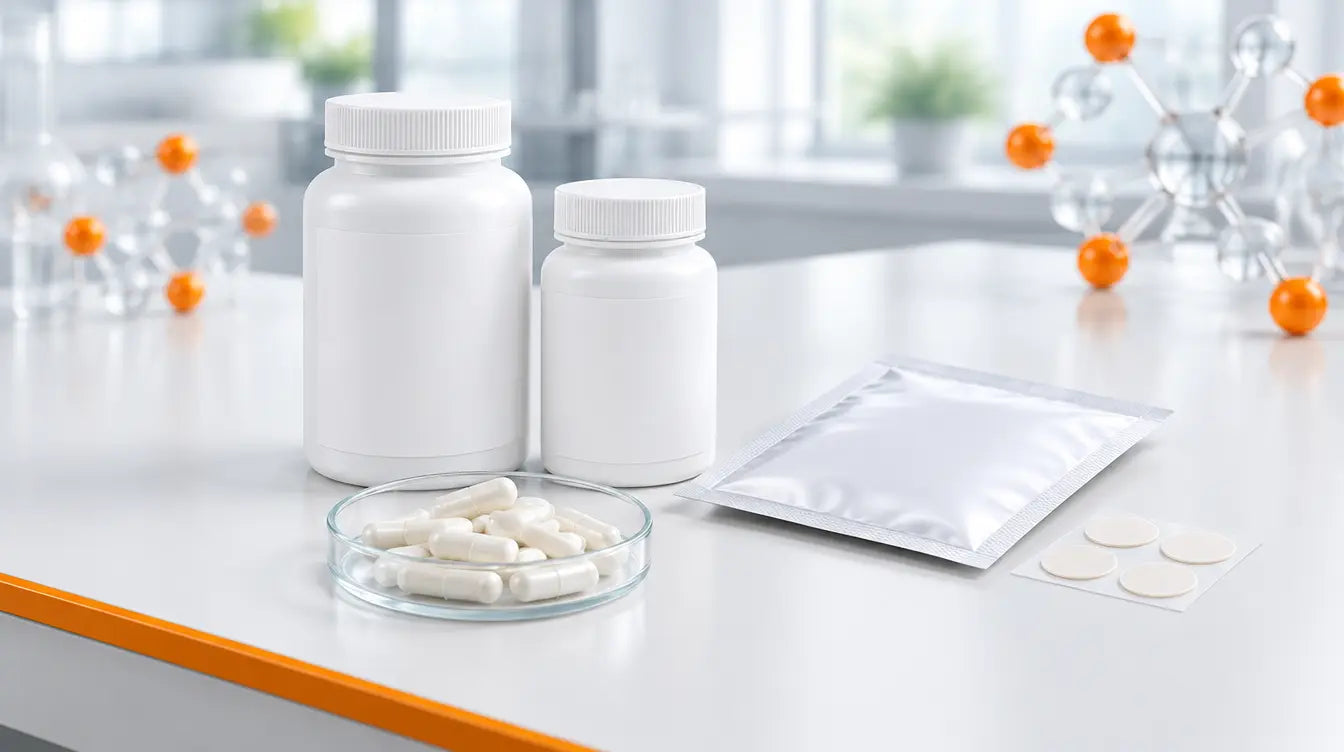
A capsule is a pre-measured solid presentation. The compound, usually blended with inert fillers called excipients, is sealed inside a capsule shell, most often made from vegetable cellulose. Each capsule carries a fixed labelled amount, so there is nothing to reconstitute, measure out or keep in solution.
An adhesive patch is a thin layered film. The ingredients sit in a matrix or reservoir layer on a backing, with an adhesive layer and a peel-off release liner. Patches are packed flat in sealed pouches that protect them from moisture and light.
Both formats are dry and shelf-stable compared with a reconstituted vial, and that is the main practical reason labs choose them. The trade-off is flexibility: the amount per capsule or per patch is fixed at manufacture, so you cannot adjust concentration the way you can when you reconstitute a vial yourself.
What is in the Biolabs Capsules and Patches collection?
The collection is small and focused. It mixes one true peptide with several non-peptide compounds that are often researched alongside peptides, so it is worth being precise about what each product is.
GHK-Cu capsules (600 mcg)
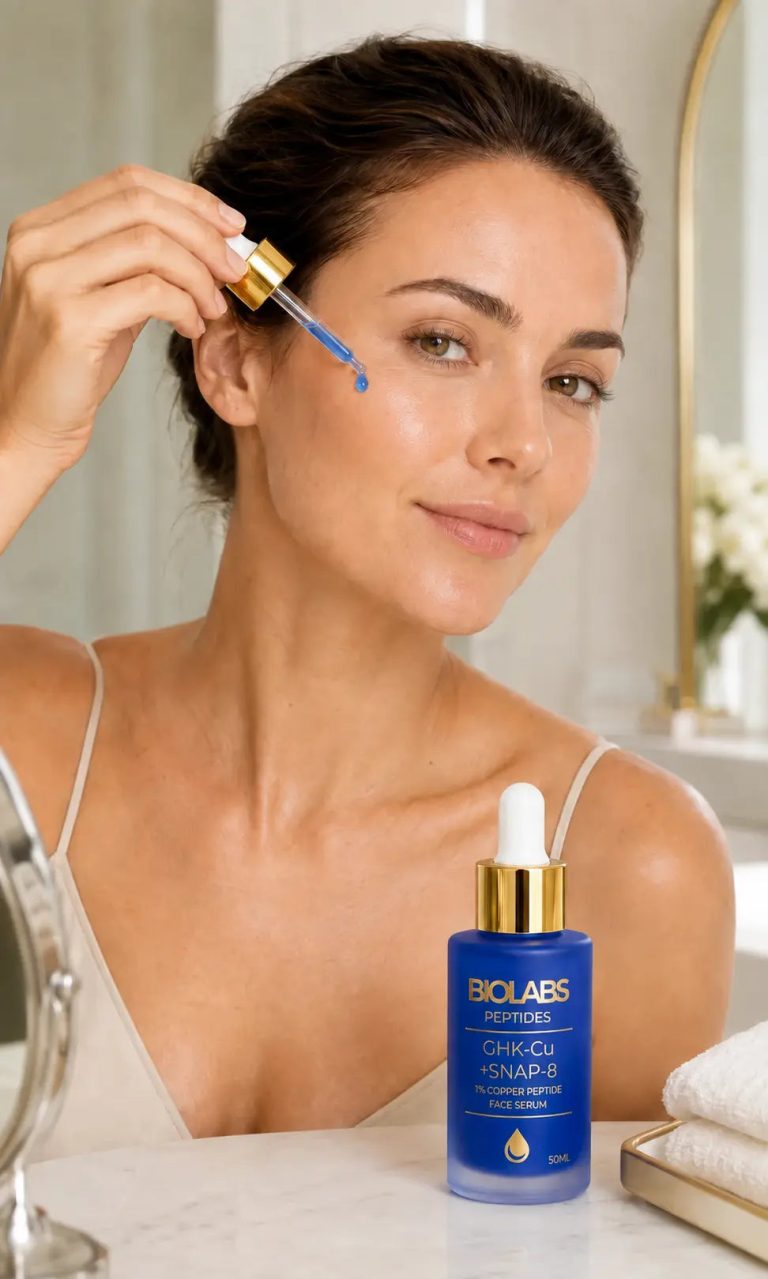
GHK-Cu Copper Peptide 600mcg is the only peptide in the collection. GHK-Cu is the copper(II) complex of the tripeptide glycyl-L-histidyl-L-lysine (molecular formula C14H22CuN6O4, molecular weight 401.9 g/mol, CAS 89030-95-5). It is studied in laboratory models of copper-binding peptides and extracellular-matrix biology. Each bottle holds 60 vegetable capsules of 600 mcg. If you are mainly interested in topical cosmetic work with copper peptides, our copper peptide skincare guide covers the serum and cream side of the range.
NMN and resveratrol capsules
NMN & Resveratrol 1000+ combines nicotinamide mononucleotide (NMN) with resveratrol in 60 vegetable capsules. Neither is a peptide. NMN (C11H15N2O8P, 334.22 g/mol in PubChem) is a nucleotide that is studied as a precursor in the NAD+ pathway, and resveratrol (C14H12O3, 228.24 g/mol) is a plant polyphenol. The per-capsule amounts are printed on the label.
NAD+ patches
The NAD+ patches (30 pack) are the collection’s patch format. Each pouch holds 30 adhesive patches, and the product page lists the per-patch composition, led by NMN at 70 mg with smaller amounts of resveratrol, nicotinamide riboside and several supporting ingredients. Again, these are not peptides; they belong to the NAD+ precursor research area.
Capsule products that come and go
The collection also lists SLU-PP-332 capsules (500 mcg, a synthetic small-molecule estrogen-related receptor agonist, not a peptide) and an NAD+ and resveratrol capsule. Stock on these moves quickly, so check the collection page for what is currently available. For background on SLU-PP-332 itself, see our SLU-PP-332 article.
Capsules and patches vs vials, pens and nasal sprays
Each format solves a different practical problem in the lab. Here is how they compare at a glance:
- Vials hold lyophilised powder that you reconstitute yourself. They give the most control over concentration and are the standard for most peptides. See our peptide vials and the pens vs vials guide.
- Pre-filled pens arrive already in solution, so there is no mixing step, but they need refrigeration once in use. Browse the pre-filled peptide pens.
- Nasal sprays are aqueous solutions in a metered spray bottle. Our nasal spray format guide covers how they are handled.
- Capsules are dry, pre-measured and stored at room temperature below 25 °C. There is no reconstitution and no cold chain, but the amount per unit is fixed.
- Patches are dry, flat and individually pouched, which makes them easy to store and count. Like capsules, their composition is fixed at manufacture.
In short, vials and pens suit work that needs adjustable solutions, while capsules and patches suit work where a stable, room-temperature presentation matters more.
What the published science says about non-injectable peptide formats
It is worth understanding why most peptides are supplied as vials and pens rather than capsules. Peptides are chains of amino acids, and the same peptide bonds that give them their structure are targets for digestive enzymes. A 2020 review in Nature Reviews Drug Discovery by Daniel Drucker describes the substantial barriers the gastrointestinal tract presents to oral peptide delivery, and the strategies researchers have explored to get around them, including permeation enhancers, enzyme inhibitors and mucus-penetrating or cell-penetrating peptides.
The skin is a similar story. A 2008 review in Nature Biotechnology by Prausnitz and Langer explains that the outer layer of skin, the stratum corneum, is the main barrier, and that first-generation patches have mostly been used for small, lipophilic, low-dose molecules. Later generations of transdermal technology, such as chemical enhancers, iontophoresis and microneedles, were developed to widen the range of molecules that can cross it.
That background is why we are careful about how we describe these products. A capsule or patch is a convenient, stable presentation of a compound. It is not a claim about what happens to that compound after it leaves the bottle or pouch, and we make no such claims.
Storage and handling in the lab
Capsules
- Store below 25 °C in a cool, dry place, away from direct sunlight.
- Keep the lid tightly closed. Capsule shells and many excipients pick up moisture, which can make capsules soft or sticky.
- Leave any desiccant sachet in the bottle, and avoid decanting capsules into unlabelled containers.
- Refrigeration is not needed, and repeated moves between a fridge and a warm room can cause condensation inside the bottle.
Patches
- Keep patches sealed in their pouch until the moment they are needed, and reseal the pouch firmly.
- Store below 25 °C, away from heat, humidity and sunlight, which can affect the adhesive layer.
- Store pouches flat so the patches do not fold or crease.
Documentation
Record the product name, batch or lot number, expiry date and date opened in your lab notes. Because capsule and patch compositions are fixed, the label and batch details are your main reference for each unit you work with.
Checking quality: labels, batches and COAs
Whatever the format, quality starts with documentation. Check that the label matches the product listing, that the batch number is printed clearly, and that the packaging seal is intact on arrival. For our peptide products, certificates of analysis with HPLC purity results are published on the COA page, so you can match a batch to its test results before you start work. If you cannot find the document you need, contact us with the batch number and we will help.
Ordering capsules and patches in South Africa
Capsules and patches are among the easiest products to ship because they are dry and do not need a cold chain. Orders can be combined with vials, pens or reconstitution supplies in a single parcel. When your order arrives, check the seals and store everything at the right temperature straight away.
Frequently asked questions
Are all the products in the capsules collection peptides?
No. GHK-Cu is a peptide. NMN, resveratrol, nicotinamide riboside and SLU-PP-332 are not peptides, but they are often researched in related areas, which is why they sit in the same collection.
Do capsules or patches need to be refrigerated?
No. Both should be kept below 25 °C in a cool, dry place, sealed and away from sunlight. Pens and reconstituted vials are the formats that need the fridge.
Can I change the amount per capsule or patch?
No. The amount is fixed at manufacture and printed on the label. If your work needs an adjustable concentration, a lyophilised vial is the better format.
Why are most peptides sold as vials rather than capsules?
Peptides are vulnerable to enzymatic breakdown, and the published delivery literature describes major barriers for non-injectable formats. Vials also give researchers full control over concentration.
Where can I check batch quality?
Peptide certificates of analysis are available on our COA page. Always match the batch number on your product to the document.
Sources
- Drucker DJ. Advances in oral peptide therapeutics. Nat Rev Drug Discov. 2020;19(4):277–289. PubMed 31848464
- Prausnitz MR, Langer R. Transdermal drug delivery. Nat Biotechnol. 2008;26(11):1261–1268. PubMed 18997767
- PubChem compound records: Nicotinamide mononucleotide (CID 14180) and Resveratrol (CID 445154)
e. They are Nothing in this article is medical advice or a claim of any effect. Purchasers are responsible for safe handling and for complying with applicable South African regulations.