BPC-157 in South Africa: Structure, Research Areas and Lab Handling
BPC-157 is one of the most widely discussed research peptides in the world, and it is also one of the most searched-for in South Africa. If you have been looking for BPC-157 in South Africa, you have probably seen a lot of loud marketing and very little plain information. This guide sets out what the compound actually is, how it is built, which areas the published laboratory literature covers, and what a research lab should check before buying it locally.
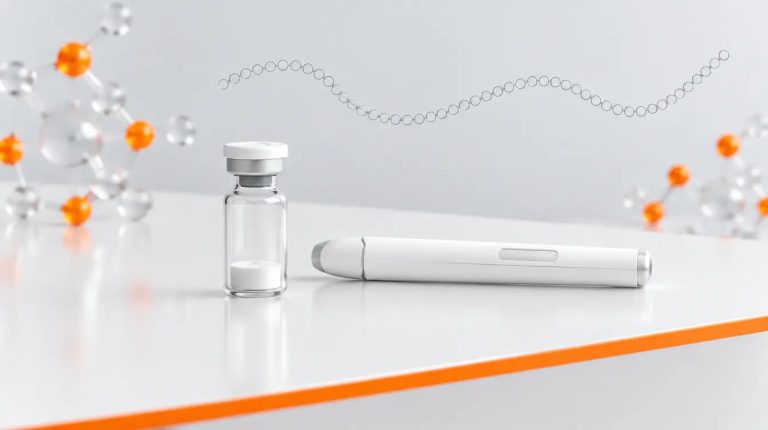
BPC-157 is also available paired with TB-500 in the Wolverine peptide pen, and you can compare every format in our peptides South Africa collection.
What is BPC-157?
BPC-157 stands for Body Protection Compound-157. It is a synthetic pentadecapeptide, meaning a short chain of 15 amino acids. Its sequence was derived from a fragment of a larger protein that was first identified in gastric juice, and the synthetic version is what research suppliers manufacture and sell today.
Structure and key identifiers
When you are comparing suppliers or checking a certificate of analysis, these are the reference identifiers for BPC-157:
- Sequence: Gly-Glu-Pro-Pro-Pro-Gly-Lys-Pro-Ala-Asp-Asp-Ala-Gly-Leu-Val
- Molecular formula: C62H98N16O22
- Molecular weight: about 1419.5 g/mol
- CAS number: 137525-51-0
- Appearance: white lyophilised powder in vial form
The run of three proline residues near the start of the chain is one of the features researchers point to when discussing its stability. A mass spectrometry result on a COA should land close to the expected molecular weight above, and an HPLC trace should show one dominant peak.
What has BPC-157 been studied for?
Most of the published work on BPC-157 is preclinical, which means it was done in cell cultures or in animal models, mainly rodents. Human data are very limited. With that in mind, the main research areas in the literature are:
- Angiogenesis and VEGF signalling. Several laboratory studies look at how BPC-157 interacts with pathways involved in new blood vessel formation, including vascular endothelial growth factor (VEGF) receptor signalling.
- The nitric oxide system. A recurring theme in the literature is its interaction with nitric oxide pathways in animal models.
- Tissue models. Rodent studies have examined BPC-157 in experimental models involving tendon, ligament, muscle, gut lining and skin tissue.
- Gastrointestinal models. Given where the parent protein was first found, a large share of the early work used gastrointestinal models in rats.
- Cell migration. In-vitro work has looked at fibroblast behaviour and cell migration in culture.
These are research areas, not proven outcomes. Results from rodent models do not automatically carry over to other systems, and much of the literature comes from a small number of research groups. Anyone designing a study should read the primary papers on PubMed directly rather than relying on summaries.
BPC-157 formats available in South Africa
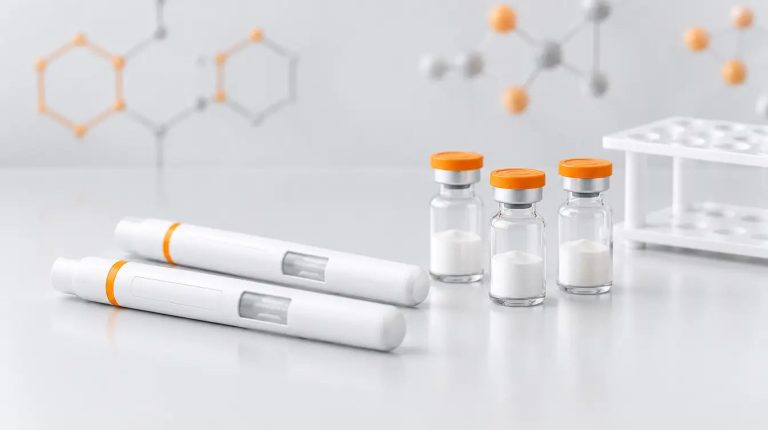
Biolabs Peptides supplies BPC-157 in a few different research formats, so labs can choose the one that suits their workflow and storage set-up.
Lyophilised vial
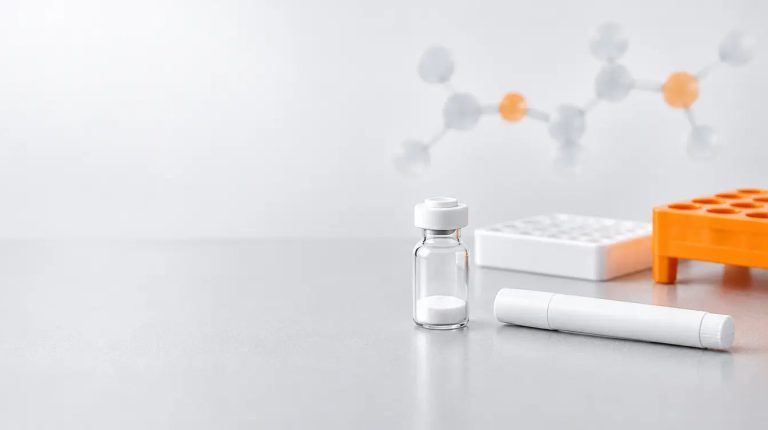
The BPC-157 10 mg lyophilised vial is the classic research format. The peptide is freeze-dried into a stable powder that has the longest shelf life of any format and travels well at ambient temperature during normal courier transit. It needs to be reconstituted before use. You can browse the full range of peptide vials for other reference compounds.
Pre-filled pen
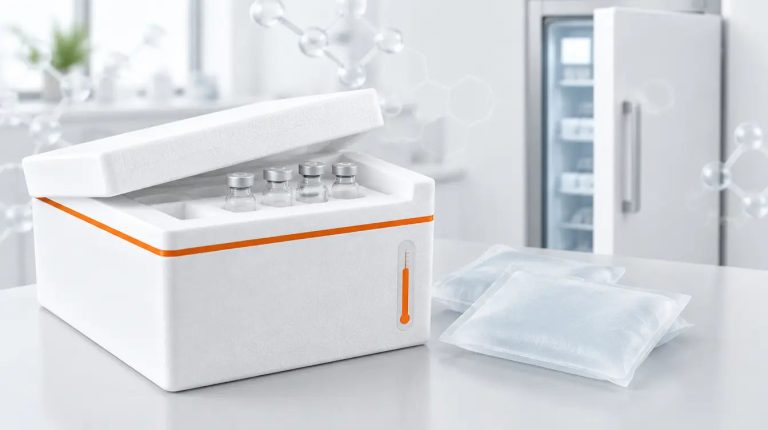
The BPC-157 Peptide Pen holds 10 mg supplied as a ready-made solution, so there is no reconstitution step. Pens are made to order, must be kept refrigerated at 2 to 8 °C, and are dispatched by overnight cold-chain courier. Where reliable overnight delivery isn’t available, the vial is the better choice. Our guide to peptide pens vs vials compares the two in more detail.
Combined research blends
BPC-157 is often studied alongside TB-500, a synthetic fragment of thymosin beta-4 used in research on actin dynamics and cell migration. For labs that work with both reference peptides, the BPC-157 + TB-500 Wolverine Stack supplies them together, and TB-500 is also available on its own.
Handling and storage in the lab
Good handling protects the integrity of the material and the reliability of your results. These are the general practices labs follow with BPC-157:
- Unopened vials: store at −20 °C for long-term storage, or at 2 to 8 °C for the short term, protected from light and moisture.
- Before opening: let the vial reach room temperature so condensation does not form on the powder.
- Reconstitution: labs typically use sterile water or bacteriostatic water (0.9% benzyl alcohol), added slowly down the inside wall of the vial and swirled gently rather than shaken. Our bacteriostatic water guide explains the differences between the common solutions, and you’ll find them in the reconstitution supplies range.
- After reconstitution: keep the solution at 2 to 8 °C and follow your own validated protocol for how long it remains usable.
- Pens: keep refrigerated at 2 to 8 °C, away from light, and do not freeze.
How to choose a BPC-157 supplier in South Africa
Because BPC-157 is so popular, quality varies a lot between sellers. A few checks go a long way.
Ask for a batch-matched COA
A certificate of analysis should come from an independent laboratory and show both identity (usually mass spectrometry) and purity (usually HPLC). Most importantly, the batch number on the certificate should match the batch number on the product you receive. Biolabs publishes its certificates on the COA page, and every batch is third-party tested.
Check the identifiers
The molecular weight, formula and sequence on the supplier’s page and COA should match the reference values listed above. If a listing doesn’t state them at all, treat that as a warning sign.
Look at local stock and delivery
Ordering from local stock avoids long international transit times and customs delays, which matters for temperature-sensitive formats. Biolabs ships nationwide by tracked courier, with free shipping on South African orders over R2,500, and you can pay in 4 interest-free payments with Payflex.
Watch out for health claims
A responsible research supplier describes BPC-157 as a research compound and nothing more. Listings that promise results, suggest personal use or give usage instructions are not following research-only practice.
BPC-157 FAQ
Where can I get BPC-157 in South Africa?
Biolabs Peptides ships BPC-157 nationwide from local stock in vial, pen and blend formats, with tracked courier delivery.
Is BPC-157 for human use?
What is the difference between the vial and the pen?
The vial contains freeze-dried powder that must be reconstituted and has the longest shelf life. The pen contains a ready-made solution that must stay refrigerated and ships by overnight cold chain.
How do I verify the purity of my batch?
Find the batch number on your product and match it to the corresponding certificate on our COA page.
How should BPC-157 be stored?
Store lyophilised powder at −20 °C long-term or 2 to 8 °C short-term, and keep reconstituted solution and pre-filled pens at 2 to 8 °C, away from light.
Related: see every BPC-157, TB-500 and Wolverine format in our recovery research peptides collection.