Research Peptides in South Africa: A Buyer’s Guide to Quality, COAs and Formats
Researchers in South Africa can now get research peptides from local suppliers instead of only ordering from overseas. With more suppliers comes more variation in quality, paperwork and packaging. This guide covers the practical points to check before you order: the formats peptides come in, how to read a Certificate of Analysis (COA), how storage and the cold chain affect stability, and what separates a reliable local supplier from the rest.
If you already know what you are looking for, you can compare every vial, pen and nasal spray we stock on our buy peptides online in South Africa page, with batch COAs linked for each product.
If you are new to the topic, start with our introduction, What Are Research Peptides? A South African Research Guide, and then come back here for the buying checklist.
Research peptide formats explained
The same compound can come in different formats. Each one suits a different laboratory workflow, so it helps to know what you are getting.
Lyophilised vials
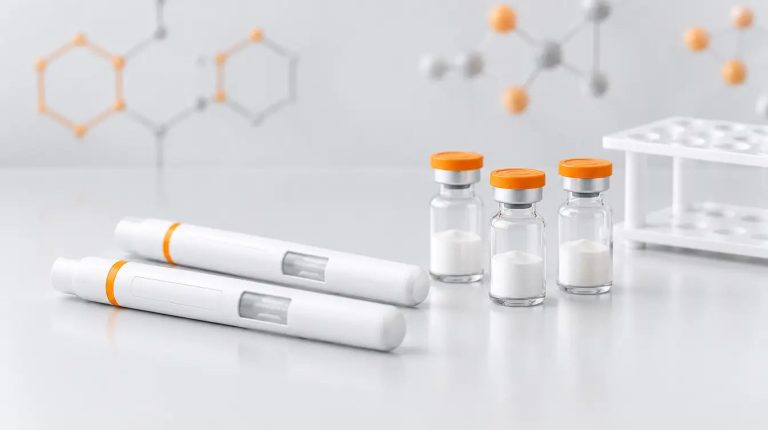
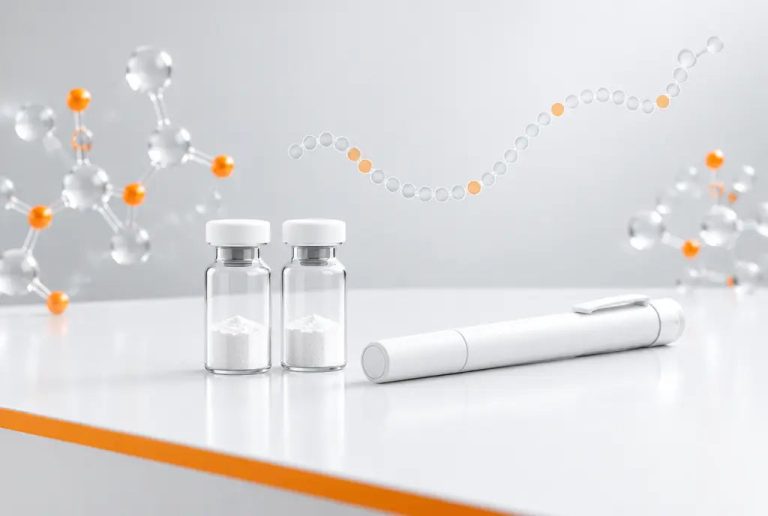
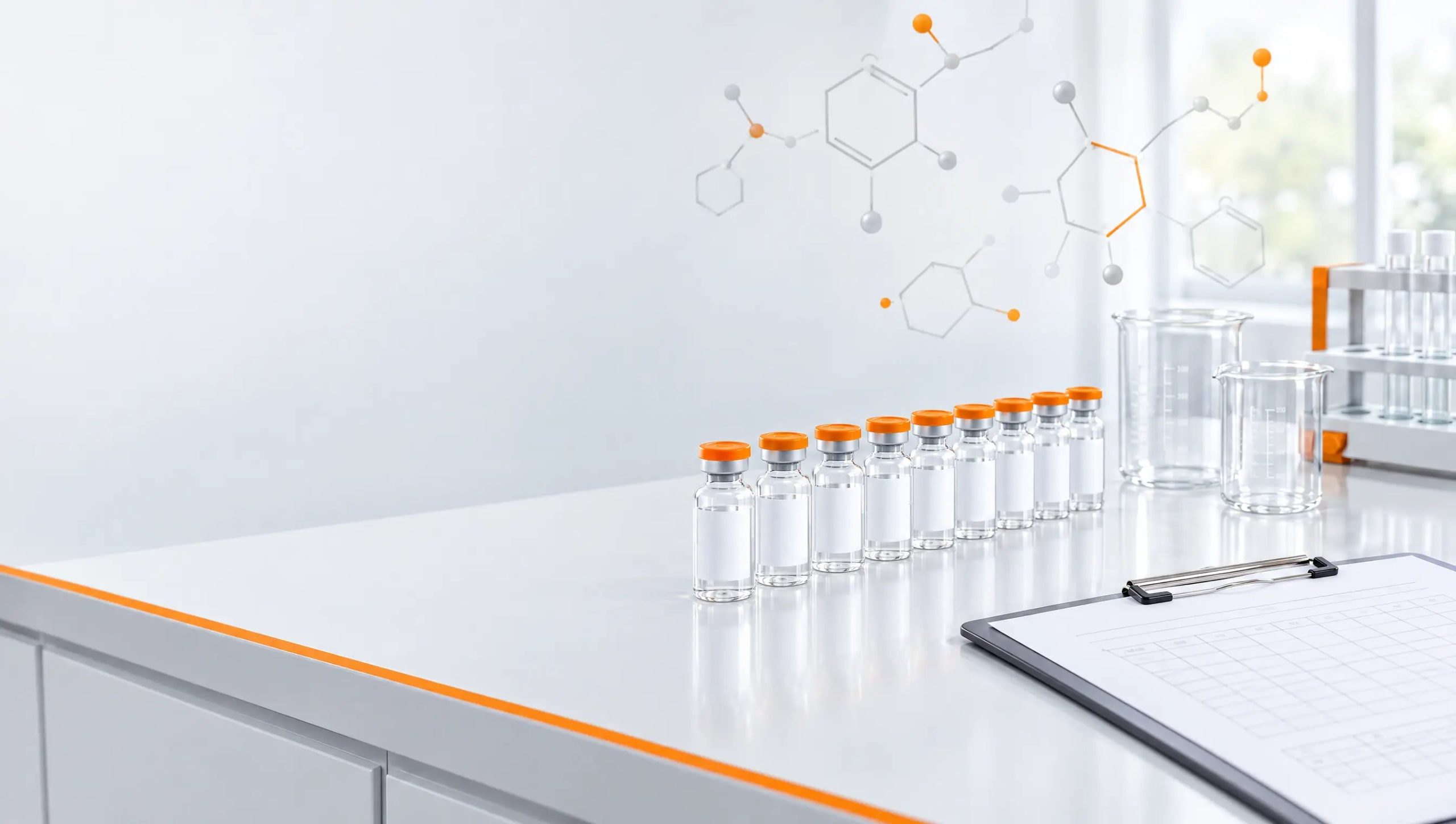
Most research peptides come as a lyophilised (freeze-dried) powder in a sealed glass vial. Freeze-drying removes water, which is what makes peptides most prone to degrading. A powder is therefore usually the most stable way to store and ship a peptide. Vials must be reconstituted with a suitable solvent before use, such as bacteriostatic water, sterile water or a dilute acetic acid solution, depending on the compound. Browse the range in our peptide vials collection, and find solvents and accessories under reconstitution supplies and hardware.
Pre-filled pens
Pre-filled pens hold the compound as a ready-made solution in a cartridge. This saves a reconstitution step, but a peptide in solution is less stable than a dry powder. Pens therefore need refrigeration and careful handling in transit. Biolabs pens are made to order and sent by overnight cold-chain courier. If you are in an area without reliable overnight delivery, the lyophilised vial is usually the better choice. See the pre-filled peptide pens collection.
Nasal sprays
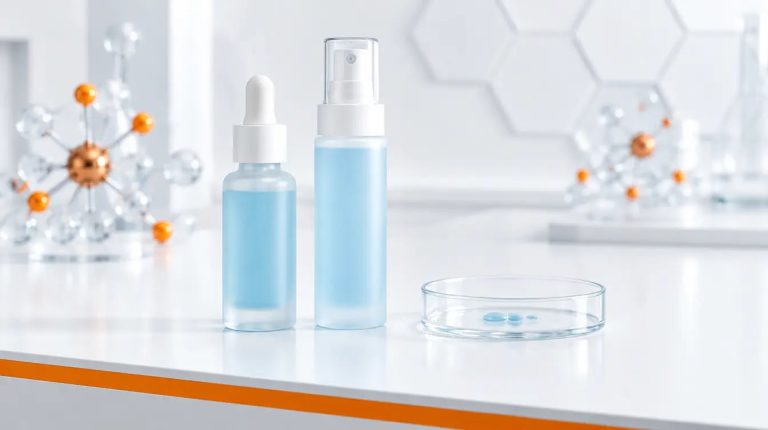
Some compounds are also sold as a ready-made aqueous solution in a spray-pump bottle. As with pens, a solution needs cold storage once opened and should be protected from light. The label should state the content per bottle. The current range is in the nasal sprays collection.
Capsules and patches
Capsules and adhesive patches are fixed-content formats: each unit contains a stated amount of a compound, plus excipients or a patch matrix. For a researcher, the key details are the stated content per unit, the full excipient list and the batch number. These products are listed in the capsules and patches collection.
How to read a Certificate of Analysis (COA)
A COA is the laboratory report that documents what was found when a specific batch was tested. It is the most important document you can ask a supplier for. When you read one, check these points.
Batch or lot number
A COA only means something if it matches the batch you receive. The batch or lot number on the certificate should match the number on your vial, pen or bottle. A generic certificate with no batch link tells you very little.
HPLC purity
High-performance liquid chromatography (HPLC) separates the parts of a sample and shows them as peaks on a chromatogram. Purity is usually reported as the main peak’s area as a percentage of the total peak area. When you review an HPLC result, look for:
- the purity percentage and the method conditions used (column, wavelength, gradient),
- the chromatogram itself, not just a number, so you can see whether there are significant secondary peaks,
- the test date, and the name of the laboratory that did the analysis.
Identity: mass spectrometry
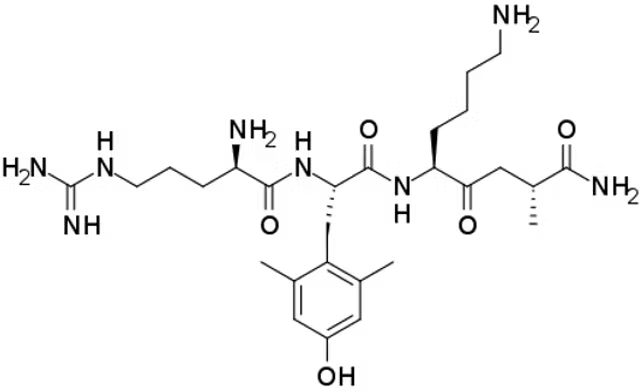
Purity tells you how much of the sample is the main component. It does not prove that the main component is the right compound. Mass spectrometry (MS) confirms identity by comparing the measured molecular mass with the expected mass for the sequence. A good COA reports both purity and identity.
Other details worth checking
- Appearance (for example, white lyophilised powder) and the stated quantity per vial.
- The molecular formula and molecular weight. These should match the compound’s published values.
- Whether the test was done in-house or by an independent laboratory.
Biolabs publishes batch COAs on our Certificates of Analysis page, so you can check a batch before you order.
Storage and the cold chain
Even a high-purity peptide can degrade if it is stored or shipped badly. Heat, moisture, light and repeated freeze–thaw cycles are the main risks.
Lyophilised powder
Common laboratory practice is to keep sealed lyophilised vials frozen (around −20 °C) for long-term storage, or refrigerated (2–8 °C) for shorter periods, away from light and moisture. Let a vial reach room temperature before opening it, so that condensation does not form on the powder. Lyophilised vials generally handle ordinary courier transit at ambient temperature well.
Solutions: pens, sprays and reconstituted vials
Once a peptide is in solution it should be kept refrigerated at 2–8 °C, protected from light and not frozen. It should be handled according to the supplier’s label. This is why solution formats depend on fast, cold delivery, and why it matters where you are in the country.
Delivery within South Africa
Ask a supplier how each format is packed and which courier service it uses. Overnight cold-chain dispatch suits solution formats. Standard courier delivery is usually enough for lyophilised vials. Ordering from a local supplier also shortens transit times compared with international shipping and customs delays.
What to look for in a South African supplier
Use this checklist when you compare suppliers:
- Batch-specific COAs that you can see before you buy, with HPLC purity and identity data.
- Clear product specifications: compound name, quantity per unit, molecular formula, molecular weight and CAS number where one applies.
- Format-specific storage and shipping information, including how solution formats are kept cold in transit.
- Consistent, legible labelling with batch numbers that match the COA.
- Research-use-only positioning. Reputable suppliers describe their compounds factually and do not make health or treatment claims.
- Responsive local support for questions about batches, documentation and delivery. You can reach our team through the contact page.
Be wary of listings that promise outcomes, give usage instructions for people, or cannot produce a COA for the batch being sold. These are signs that a supplier is not operating as a research supplier.
Frequently asked questions
Are research peptides for human use?
Which format is the most stable?
In general, lyophilised powder in a sealed vial is the most stable format for storage and transport. Solution formats such as pens and sprays need refrigeration and faster delivery.
Does a high HPLC purity alone confirm a peptide?
No. HPLC shows purity, but identity should be confirmed separately, typically by mass spectrometry. Check that the COA covers both and that its batch number matches your product.
Where can I see Biolabs COAs?
Batch Certificates of Analysis are listed on our COA page.